
The way we design, heat, and cool buildings is changing faster than ever. Rising energy costs, stricter environmental regulations, and growing climate awareness are pushing builders and property owners toward a clear goal: Fossil-Fuel-Free Buildings. These buildings reduce or completely eliminate the use of oil, gas, and coal while maintaining comfort, performance, and long-term cost control.
At the center of this transition is Geothermal Energy—a proven, reliable, and highly efficient solution that supports modern sustainability goals. In this article, we’ll explore why Fossil-Fuel-Free Buildings matter, how geothermal systems make them possible, and why geothermal technology is becoming a cornerstone of future-ready construction.
What Are Fossil-Fuel-Free Buildings?
Fossil-Fuel-Free Buildings are structures designed to operate without burning fossil fuels for heating, cooling, or hot water. Instead, they rely on electricity and renewable energy sources to meet all energy needs.
These buildings focus on:
- Eliminating gas and oil systems
- Reducing carbon emissions
- Improving long-term energy stability
- Supporting environmental and regulatory goals
As governments and industries move toward decarbonization, Fossil-Fuel-Free Buildings are quickly becoming the new standard rather than the exception.
Why Fossil-Fuel-Free Buildings Matter Now
The urgency around Fossil-Fuel-Free Buildings comes from several converging factors.
Rising Energy Costs
Fossil fuel prices are volatile. Buildings dependent on gas or oil face unpredictable operating costs year after year.
Climate and Environmental Impact
Burning fossil fuels contributes significantly to greenhouse gas emissions. Transitioning to Fossil-Fuel-Free Buildings plays a direct role in reducing environmental harm.
Regulations and Incentives
Many regions are introducing stricter building codes and offering incentives for renewable energy adoption, making Fossil-Fuel-Free Buildings both a responsible and financially smart choice.
The Role of Geothermal Energy in Fossil-Fuel-Free Buildings
Geothermal Energy uses the earth’s stable underground temperature to heat and cool buildings efficiently. Unlike solar or wind, geothermal energy is available 24/7, regardless of weather conditions.
This reliability makes Geothermal Energy one of the most important technologies supporting Fossil-Fuel-Free Buildings.
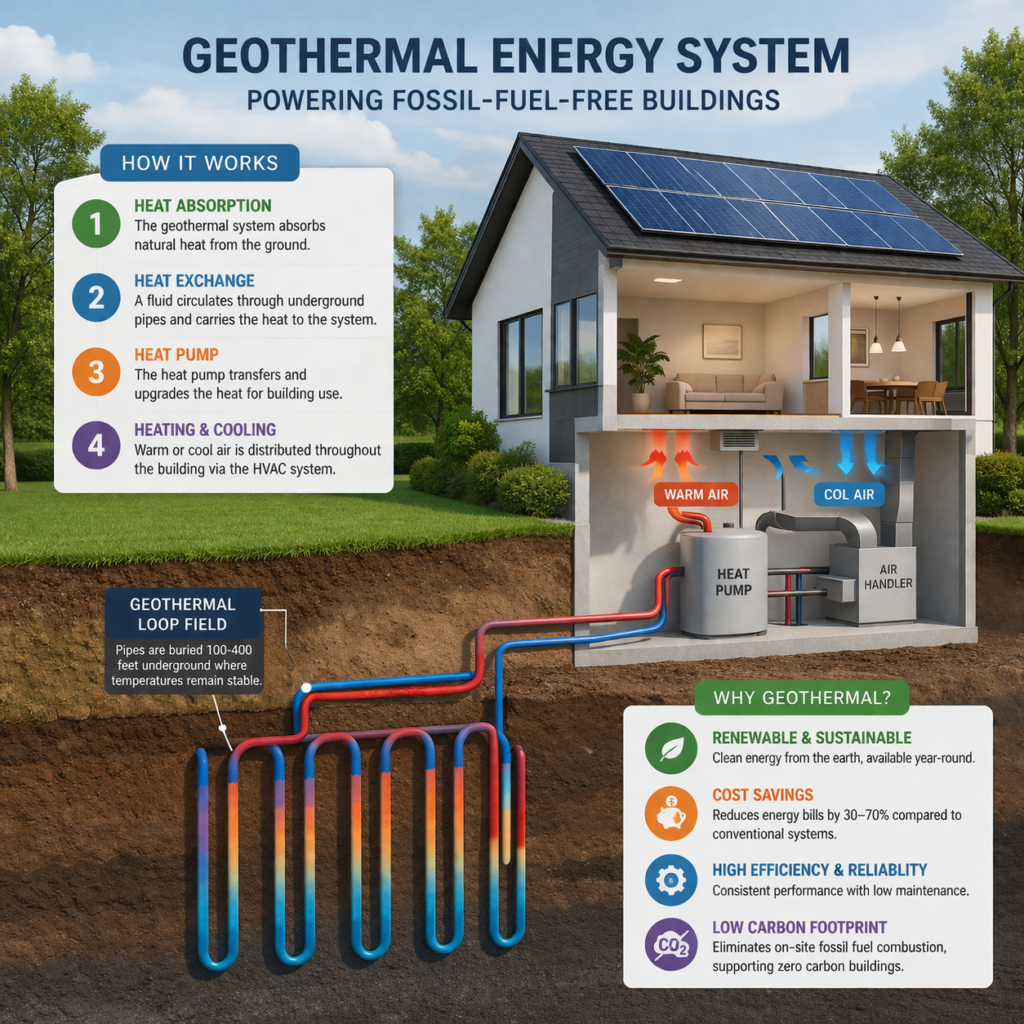
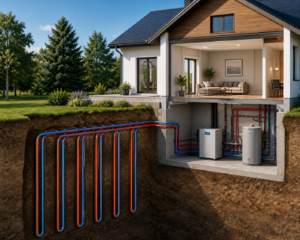
How Geothermal Heating and Cooling Works
A Simple Explanation
Geothermal Heating and Cooling systems move heat rather than generate it.
- In winter, heat is drawn from the ground and delivered indoors
- In summer, excess heat is transferred from the building back into the ground
Because underground temperatures remain stable year-round, geothermal systems operate efficiently in all climates—making them ideal for Fossil-Fuel-Free Buildings.
Why Geothermal Heating and Cooling Replaces Fossil Fuels
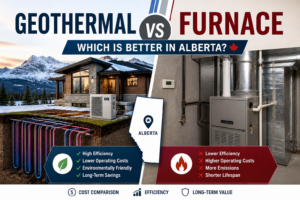
Traditional heating systems rely on combustion. Geothermal Heating and Cooling eliminates this entirely.
Key Advantages
- No on-site fuel combustion
- No carbon monoxide or combustion emissions
- Fully electric operation
- Compatible with renewable electricity sources
These benefits make geothermal systems a natural foundation for Fossil-Fuel-Free Buildings.
Renewable Energy for Buildings: Why Geothermal Stands Out
When discussing Renewable Energy for Buildings, solar and wind often get the spotlight. However, geothermal plays a unique and essential role.
What Makes Geothermal Different
- Constant energy availability
- High efficiency in both heating and cooling
- Minimal land-use impact
- Long system lifespan
For Renewable Energy for Buildings, geothermal provides consistency that intermittent sources cannot—making it critical for Fossil-Fuel-Free Buildings.
Net-Zero Buildings and the Importance of Geothermal
Net-Zero Buildings produce as much energy as they consume over a year. Achieving this goal requires highly efficient systems—and that’s where geothermal shines.
How Geothermal Supports Net-Zero Goals
- Reduces overall energy demand
- Works seamlessly with solar PV systems
- Minimizes peak electrical loads
- Provides year-round efficiency
Without geothermal, many Net-Zero Buildings would struggle to balance energy consumption—especially in extreme climates.
Sustainable Building Systems Start with HVAC
HVAC systems are often the largest energy consumers in buildings.
Why HVAC Choice Matters
- Heating and cooling drive operational emissions
- Fossil-fuel systems lock in long-term carbon output
- Sustainable Building Systems prioritize efficiency and longevity
Geothermal Heating and Cooling aligns perfectly with Sustainable Building Systems by offering clean, durable, and efficient performance.
Fossil-Fuel-Free Buildings in Residential Applications
Homeowners are increasingly embracing Fossil-Fuel-Free Buildings for comfort and savings.
Benefits for Homeowners
- Lower monthly energy bills
- Stable indoor temperatures
- Quiet operation
- Reduced maintenance needs
Geothermal systems make Fossil-Fuel-Free Buildings practical and comfortable for everyday living.
Fossil-Fuel-Free Buildings in Commercial and Institutional Settings
Large buildings benefit even more from geothermal solutions.
Ideal Applications
- Office buildings
- Schools and universities
- Hospitals and healthcare facilities
- Government and municipal buildings
For these structures, Fossil-Fuel-Free Buildings supported by geothermal systems offer predictable operating costs and long-term reliability.
Cost Considerations: Upfront vs Long-Term Value
Initial Investment
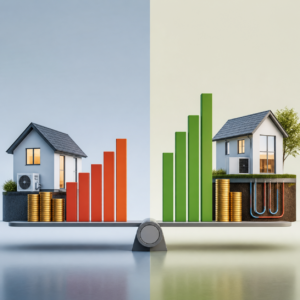
Geothermal systems typically cost more upfront due to ground loop installation.
Long-Term Savings
However, they deliver:
- Lower energy bills
- Fewer repairs
- Longer system life
- Reduced exposure to fuel price increases
Over time, Fossil-Fuel-Free Buildings powered by geothermal often outperform traditional systems financially.
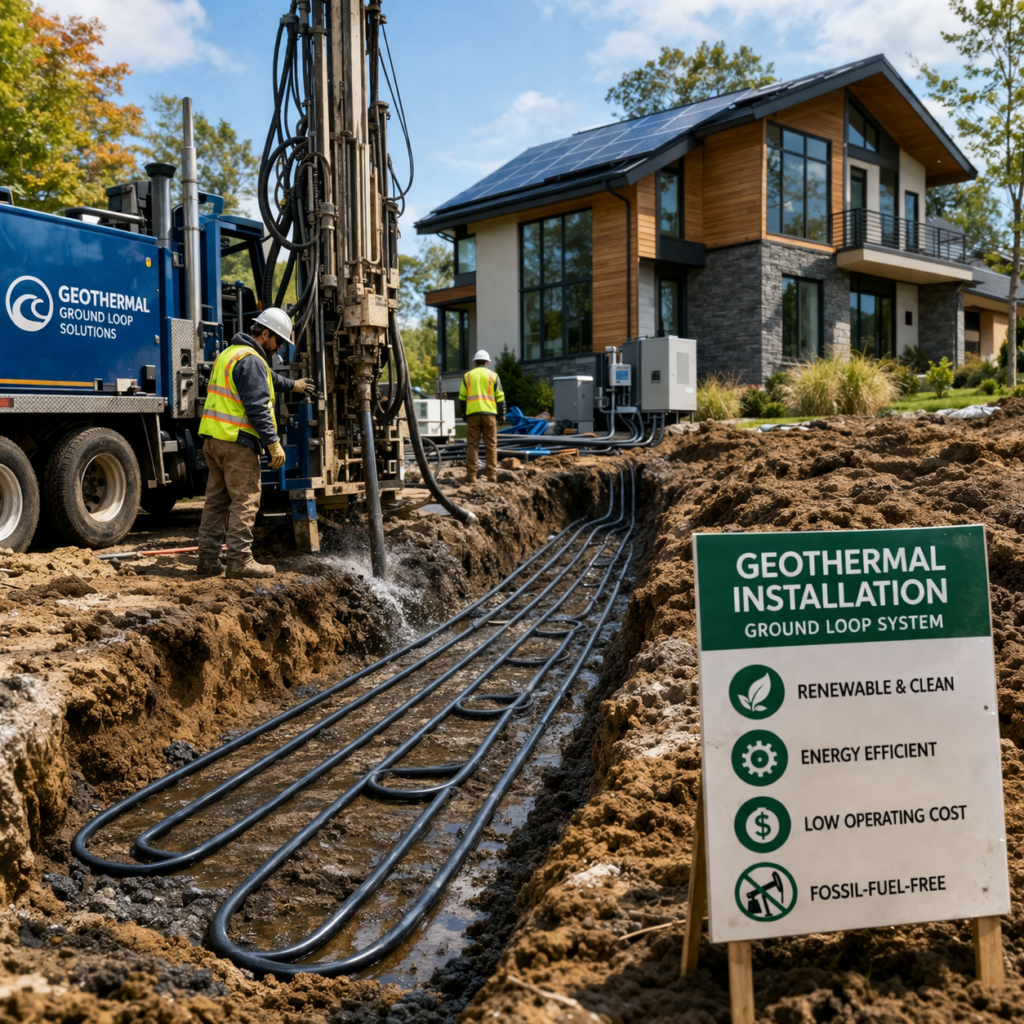
Durability and Longevity of Geothermal Systems
Geothermal systems are built to last.
Typical Lifespans
- Ground loops: 40–50+ years
- Heat pump units: 20–25 years
This durability supports Sustainable Building Systems and reinforces the long-term value of Fossil-Fuel-Free Buildings.
Environmental Impact of Fossil-Fuel-Free Buildings
Switching to Fossil-Fuel-Free Buildings dramatically reduces environmental impact.
Environmental Benefits
- Lower greenhouse gas emissions
- Reduced air pollution
- Smaller carbon footprint
- Improved indoor air quality
Geothermal Energy plays a major role in achieving these outcomes.
Retrofitting Existing Buildings
Many people assume Fossil-Fuel-Free Buildings are only possible in new construction—but that’s not true.
Can Older Buildings Go Fossil-Fuel-Free?
Yes. With proper planning, geothermal systems can replace fossil-fuel HVAC in existing structures, especially during major renovations or equipment upgrades.
Designing for the Future
Energy systems chosen today will shape building performance for decades.
Why Geothermal Is Future-Proof
- Compatible with evolving energy grids
- Supports decarbonization goals
- Reduces long-term risk
- Enhances property value
Choosing geothermal ensures Fossil-Fuel-Free Buildings remain compliant, efficient, and valuable in the future.
Challenges and Misconceptions
Common Myths
- “Geothermal doesn’t work in cold climates”
- “It’s too expensive to consider”
- “Installation is too disruptive”
In reality, modern geothermal systems are versatile, scalable, and increasingly accessible—making Fossil-Fuel-Free Buildings achievable for more projects than ever.
The Growing Demand for Fossil-Fuel-Free Buildings
Market demand is shifting rapidly.
What’s Driving the Shift
- Corporate sustainability commitments
- Government incentives
- Consumer awareness
- Energy resilience concerns
As demand grows, Fossil-Fuel-Free Buildings will become a defining feature of responsible development.
Final Thoughts: Geothermal as the Backbone of Fossil-Fuel-Free Buildings
Fossil-Fuel-Free Buildings represent more than an environmental trend—they are a practical response to economic, regulatory, and climate realities. At the heart of this movement is Geothermal Energy, delivering reliable, efficient, and clean Geothermal Heating and Cooling for buildings of all sizes.
By integrating geothermal into Sustainable Building Systems, developers and property owners can create resilient, efficient, and future-ready spaces
Ready to Build or Upgrade to a Fossil-Fuel-Free Future?
If you’re planning or upgrading Fossil-Fuel-Free Buildings, expert guidance makes all the difference. Envirotech Geothermal specializes in designing and installing high-performance geothermal systems for residential, commercial, and institutional projects.
👉 Contact Envirotech Geothermal today to learn how Geothermal Energy can power cleaner, more efficient, and truly fossil-fuel-free buildings for the future.
Frequently Asked Questions
Are Fossil-Fuel-Free Buildings more expensive to operate?
No. While upfront costs may be higher, operating costs are typically much lower due to improved efficiency and reduced fuel expenses.
Can geothermal systems handle both heating and cooling?
Yes. Geothermal Heating and Cooling systems provide year-round comfort using the same equipment.
Do Fossil-Fuel-Free Buildings work in all climates?
Absolutely. Because geothermal systems rely on stable underground temperatures, they perform consistently in both hot and cold regions.