
Introduction
As energy prices continue to rise and sustainability becomes a top priority, homeowners are asking an important question: Geothermal Cost vs Savings 2026—does it truly pay off? While geothermal systems are known for their efficiency and eco-friendly performance, the upfront investment can make many people hesitate.
The truth is, evaluating Geothermal Cost vs Savings 2026 requires looking beyond the initial price tag. It’s about understanding long-term savings, system lifespan, energy efficiency, and overall return on investment. When you take a comprehensive view, geothermal often emerges as one of the smartest heating solutions available today.
In this guide, we’ll break down everything you need to know about Geothermal Cost vs Savings 2026, including installation costs, operating savings, ROI, and whether it’s the right choice for your home.
What Is a Geothermal Heating System?
Before diving into Geothermal Cost vs Savings 2026, it’s important to understand how geothermal systems work.
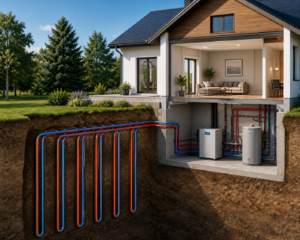
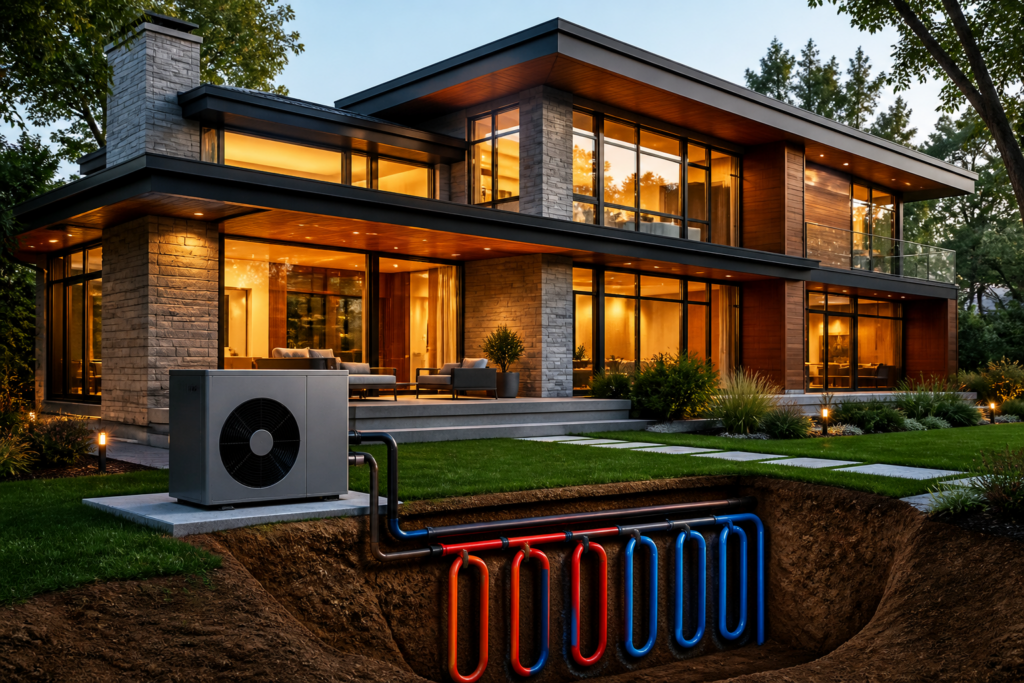
Geothermal heating systems use the stable temperature of the earth to heat and cool your home. Instead of generating heat like a furnace, they transfer heat from the ground through a system of underground pipes and a heat pump.
Key Components
- Ground loop system
- Heat pump
- Distribution system (ducts or radiant heating)
Because the ground temperature remains consistent year-round, geothermal systems operate efficiently even in extreme climates.
Understanding Geothermal Heating Cost 2026
One of the biggest considerations in the Geothermal Cost vs Savings 2026 discussion is the upfront investment.
Average Installation Costs
In 2026, the geothermal heating cost 2026 typically ranges between:
- $20,000 to $45,000 for residential systems
- Higher for larger homes or complex installations
What Influences Cost?
- Property size and layout
- Type of ground loop system
- Soil conditions
- Installation complexity
- Local labor costs
While these numbers may seem high, they represent a long-term investment rather than a short-term expense.
Breaking Down the Savings
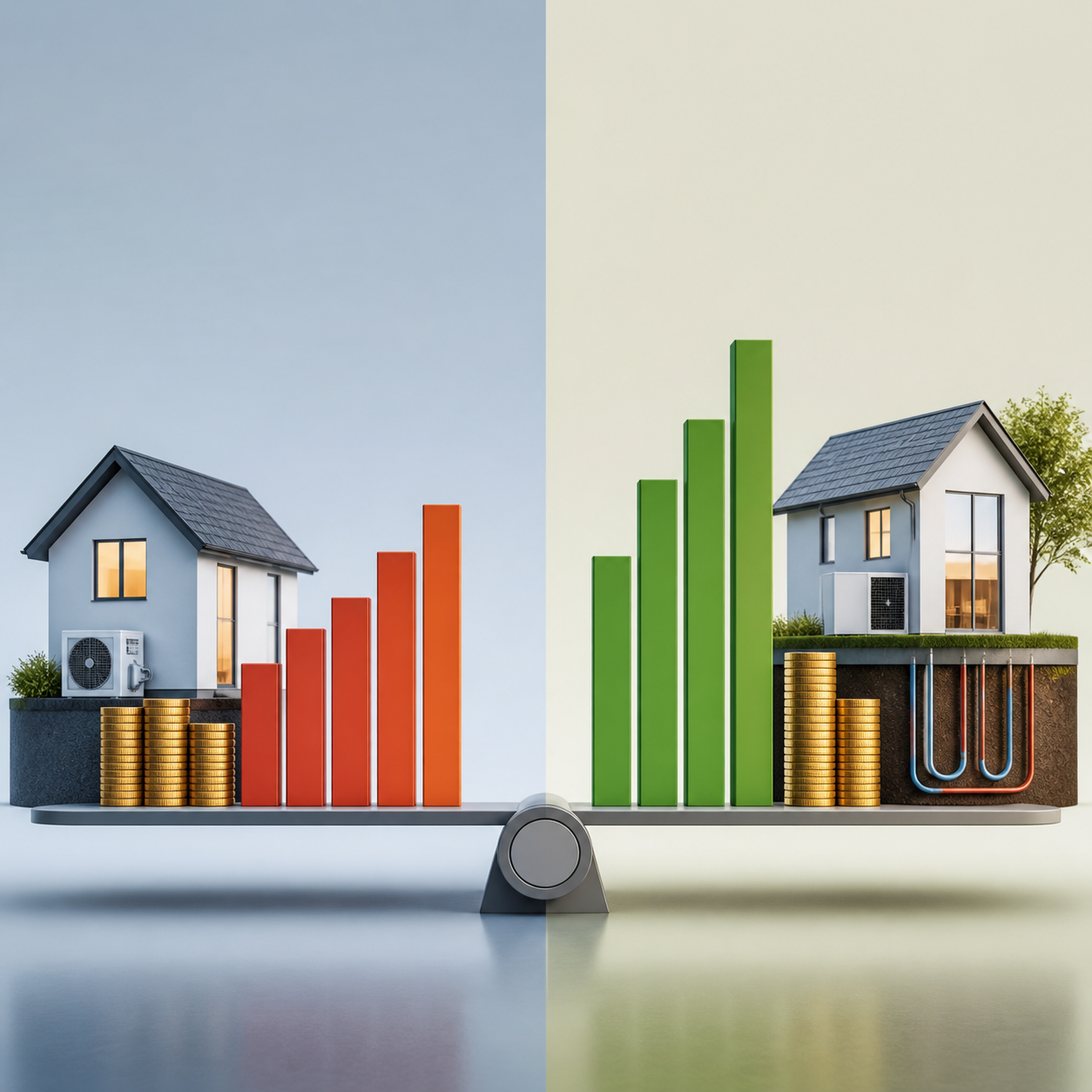
To fully understand Geothermal Cost vs Savings 2026, you need to examine how much you can save over time.
Monthly Energy Savings
Geothermal systems can reduce heating and cooling costs by:
- 40% to 70% compared to traditional systems
This makes geothermal energy savings analysis a key factor when evaluating value.
Reduced Maintenance Costs
- Fewer moving parts
- No combustion components
- Lower repair frequency
Long-Term Utility Savings
Over 20–25 years, homeowners can save tens of thousands of dollars, significantly shifting the balance in the Geothermal Cost vs Savings 2026 equation.
Geothermal System ROI 2026
Return on investment is a critical factor in determining whether geothermal is worth it.
Typical ROI Timeline
- Payback period: 5–10 years
- Lifespan: 20–50 years
This means that after the initial payback period, the system essentially generates savings.
Why ROI Is Strong
- High energy efficiency
- Stable operating costs
- Long system lifespan
When analyzing geothermal system ROI 2026, it becomes clear that geothermal is not just an expense—it’s a financial asset.
Geothermal Installation Cost vs Benefits
Understanding geothermal installation cost vs benefits is essential for making an informed decision.
Key Benefits
- Lower energy bills
- Increased property value
- Reduced carbon footprint
- Consistent indoor comfort
Cost vs Value Perspective
While the upfront cost is higher, the long-term benefits often outweigh the initial investment. This is a central theme in the Geothermal Cost vs Savings 2026 discussion.
Comparing Geothermal to Traditional Systems
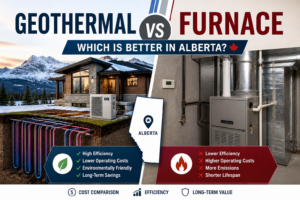
To better understand Geothermal Cost vs Savings 2026, let’s compare geothermal with conventional heating systems.
Upfront Cost
- Furnace: Lower
- Geothermal: Higher
Operating Cost
- Furnace: Higher over time
- Geothermal: Significantly lower
Efficiency
- Furnace: Up to 98%
- Geothermal: 300–500%
Lifespan
- Furnace: 15–20 years
- Geothermal: 25–50 years
This comparison clearly highlights why geothermal often wins in the long run.
Is Geothermal Worth It 2026?
A common question homeowners ask is: is geothermal worth it 2026?
When It Makes Sense
- Long-term homeownership
- High energy usage
- Desire for sustainable living
When It May Not
- Short-term ownership plans
- Limited installation space
- Tight upfront budget
Even so, for many homeowners, the answer to Geothermal Cost vs Savings 2026 is a strong yes.
Environmental Impact and Sustainability
Beyond financial considerations, geothermal systems offer significant environmental benefits.
Key Advantages
- Reduced greenhouse gas emissions
- Renewable energy source
- Lower reliance on fossil fuels
These benefits make geothermal a leading choice for eco-conscious homeowners.

Government Incentives and Rebates
In 2026, many regions offer incentives to encourage geothermal adoption.
Common Incentives
- Tax credits
- Rebates
- Financing programs
These incentives can significantly reduce the upfront cost, improving the overall Geothermal Cost vs Savings 2026 equation.
Factors That Affect Savings
Not all geothermal systems deliver the same results.
Key Variables
- Home insulation quality
- System design and installation
- Climate conditions
- Energy usage patterns
Proper system design is crucial for maximizing geothermal energy savings analysis.
Real-World Example
Consider a homeowner who installs a geothermal system for $30,000.
Scenario
- Annual energy savings: $2,500
- Payback period: 12 years
- System lifespan: 25+ years
After the payback period, the homeowner enjoys significant savings, reinforcing the value of Geothermal Cost vs Savings 2026.
Common Misconceptions
“Geothermal Is Too Expensive”
While the upfront cost is higher, long-term savings often outweigh it.
“It Doesn’t Work in Cold Climates”
Geothermal systems perform exceptionally well in cold regions due to stable ground temperatures.
“Maintenance Is Complicated”
In reality, geothermal systems require less maintenance than traditional systems.
Future Outlook for Geothermal
The future of geothermal looks promising.
Trends
- Increasing adoption
- Improved technology
- Lower installation costs over time
As these trends continue, the value of Geothermal Cost vs Savings 2026 will only improve.
Why Choose Envirotech Geothermal?
Choosing the right provider is just as important as choosing the system.
Envirotech Geothermal offers:
- Expert installation
- Customized solutions
- Proven experience
- Ongoing support
Their team ensures you maximize both performance and savings.
FAQs
1. What is Geothermal Cost vs Savings 2026?
It refers to comparing the upfront cost of geothermal systems with the long-term energy savings and financial benefits they provide over time.
2. How long does it take to recover geothermal costs?
Most homeowners see a return on investment within 5–10 years, depending on energy usage and installation costs.
3. Is geothermal worth it in 2026?
Yes, for many homeowners. With rising energy costs and improved efficiency, geothermal systems offer strong long-term value.
Conclusion
When evaluating Geothermal Cost vs Savings 2026, it’s clear that geothermal systems offer a compelling balance of efficiency, sustainability, and long-term savings. While the initial investment may seem high, the financial and environmental benefits make it a smart choice for forward-thinking homeowners.
From reduced energy bills to increased property value, geothermal systems deliver consistent returns over time. As energy costs continue to rise, the value of geothermal will only become more evident.
If you’re ready to explore whether geothermal is right for your home, now is the perfect time to act.
👉 Contact Envirotech Geothermal today and take the first step toward a more efficient, sustainable, and cost-effective future.