
Winter in cold regions can be demanding—not just on people, but on heating systems as well. If you own a geothermal setup, you already have one of the most reliable and efficient heating solutions available. Still, even the most advanced Geothermal Heating System benefits from proper winter preparation.
Cold weather brings longer run times, higher heating demand, and more stress on system components. Winterizing your geothermal system isn’t about heavy intervention—it’s about smart, preventative care that protects efficiency, comfort, and long-term performance.
In this guide, we’ll walk through how to prepare your Geothermal Heating System for winter, what homeowners should monitor, and how proactive care ensures smooth operation even during the coldest months.
Why Winter Preparation Matters for a Geothermal Heating System
Geothermal systems are designed to handle cold climates better than conventional heating systems. However, winter is still the season when your system works the hardest.
Proper winter preparation helps your Geothermal Heating System:
- Maintain consistent indoor temperatures
- Operate at peak efficiency
- Avoid unnecessary wear and tear
- Reduce electricity consumption
- Extend system lifespan
Skipping basic winter care can lead to reduced cold weather geothermal efficiency and higher operating costs over time.
How a Geothermal Heating System Performs in Winter
Understanding how your system works during winter helps explain why winterization is important.
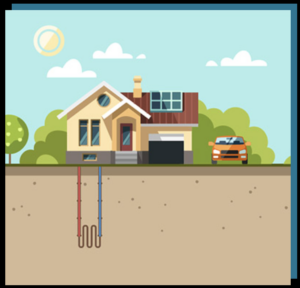
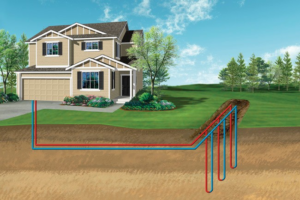
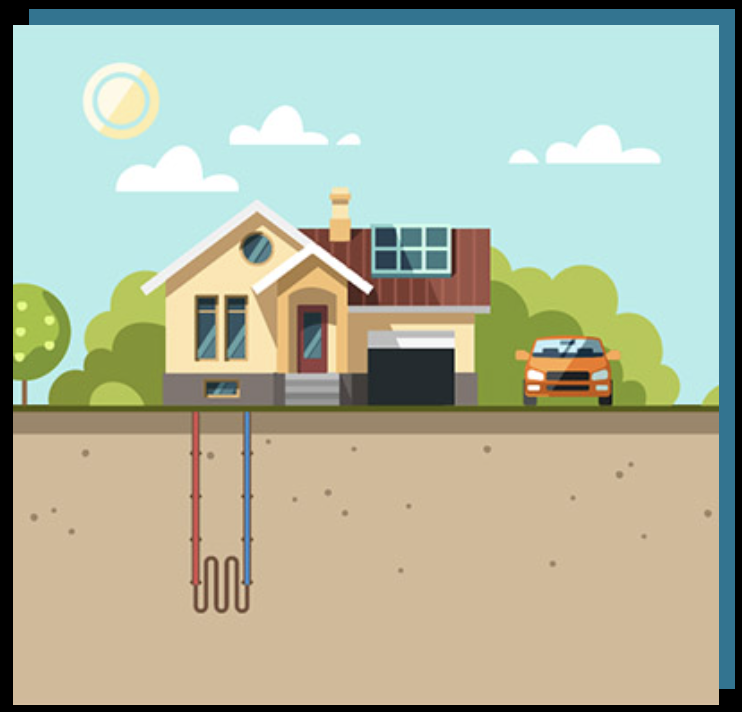
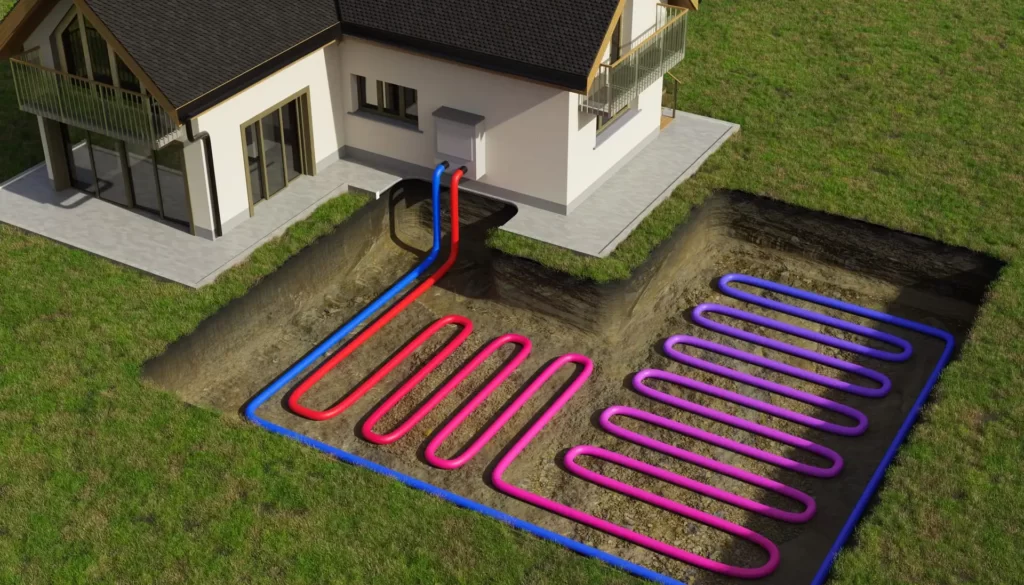
A Geothermal Heating System pulls heat from the ground, where temperatures remain stable year-round. Even when outdoor air temperatures drop far below freezing, underground temperatures remain usable for heating.
This stability gives geothermal a major advantage over air-based systems. Still, components like heat pumps, circulation pumps, filters, and controls must remain in good condition to deliver optimal winter geothermal system performance.
Geothermal Heating System Winter Maintenance: The Big Picture
Winter maintenance for geothermal systems is simpler than for combustion-based heating—but it’s still essential.
What Winter Maintenance Focuses On
Geothermal heating system winter maintenance typically includes:
- System performance checks
- Filter inspection and replacement
- Electrical and control testing
- Loop pressure and fluid verification
- Thermostat optimization
Most of this work is preventative, aimed at ensuring your Geothermal Heating System runs smoothly throughout the winter season.
Schedule a Pre-Winter Professional Inspection
One of the most effective ways to winterize your system is to schedule a professional inspection before temperatures drop significantly.
A pre-winter check ensures:
- The heat pump is operating efficiently
- Ground loop circulation is stable
- Electrical components are secure
- System settings are optimized for winter demand
This step alone can prevent many cold-weather issues and protect geothermal system cold climate care standards.
Filters: A Small Task with a Big Impact
Airflow is critical to system efficiency. Dirty or clogged filters restrict airflow and force your system to work harder.
To support cold weather geothermal efficiency:
- Check filters every 1–3 months during winter
- Replace or clean them as recommended
- Keep vents and registers unobstructed
Clean airflow improves comfort and protects the internal components of your Geothermal Heating System.
Thermostat Settings for Winter Efficiency
Unlike conventional furnaces, geothermal systems perform best when temperatures are kept consistent.
Best Thermostat Practices
For winter:
- Avoid frequent temperature setbacks
- Use gradual adjustments instead of sharp changes
- Maintain steady indoor temperatures
Constant cycling reduces winter geothermal system performance and increases electricity use. A steady approach allows your Geothermal Heating System to operate efficiently.
Geothermal Heat Pump Winter Tips for Reliable Performance
The heat pump is the core of your geothermal system. Protecting it during winter ensures long-term reliability.
Practical Heat Pump Tips
- Keep the area around the heat pump clean and accessible
- Listen for unusual noises or vibrations
- Monitor system run times during extreme cold
These simple geothermal heat pump winter tips help homeowners spot issues early and avoid mid-winter disruptions.
Ground Loop Care: Mostly Invisible, Still Essential
Ground loops are buried underground and designed for decades of service. While homeowners don’t directly interact with them, winter readiness still matters.
Professional checks may include:
- Verifying loop pressure
- Checking antifreeze concentration
- Inspecting circulation pumps
Well-maintained loops are a key reason Geothermal Heating System setups excel in cold climates.
Electrical Components and Winter Stability
Winter storms, power fluctuations, and cold temperatures can stress electrical components.
To protect your system:
- Ensure electrical connections are inspected annually
- Confirm surge protection is in place
- Address any warning codes immediately
Stable electrical performance is critical to maintaining consistent heating throughout winter.
Cold Weather Geothermal Efficiency: What to Expect
Even in extreme cold, geothermal systems remain highly efficient. However, winter demand naturally increases electricity usage.
That’s normal.
The key is ensuring your Geothermal Heating System:
- Maintains steady output
- Avoids unnecessary cycling
- Delivers consistent comfort
If energy usage rises sharply without explanation, it may signal a maintenance issue worth addressing.
Snow, Ice, and Exterior Considerations
While most geothermal components are indoors or underground, exterior conditions still matter.
Winter best practices include:
- Keeping outdoor access points clear
- Ensuring no heavy equipment damages buried loop areas
- Preventing snow buildup around vents or mechanical rooms
These steps support overall geothermal system cold climate care without requiring major effort.
Monitoring Performance During Extreme Cold
During prolonged cold snaps, it’s wise to monitor system behavior more closely.
Watch for:
- Longer run times than usual
- Uneven heating between rooms
- Unexpected increases in electricity bills
Early detection helps protect winter geothermal system performance and prevents small issues from becoming larger problems.
Backup Heating: Do You Need It?
Some geothermal systems include auxiliary or backup heating for extreme conditions.
Backup heat:
- Activates during peak demand
- Supports comfort during unusually cold periods
- Should be tested annually
Ensuring backup systems are ready is part of responsible Geothermal Heating System winterization.
How Winter Maintenance Protects Long-Term Efficiency
Efficiency losses are often gradual and go unnoticed.
Proper geothermal heating system winter maintenance helps:
- Maintain high system efficiency
- Reduce long-term operating costs
- Protect internal components
Well-maintained systems consistently outperform neglected ones over their lifespan.
New Systems vs Older Systems: Winter Care Differences
Winter care varies slightly depending on system age.
Newer Systems
- Typically require less adjustment
- Benefit from advanced controls and diagnostics
Older Systems
- May need closer monitoring
- Benefit greatly from professional inspections
Regardless of age, every Geothermal Heating System benefits from proactive winter care.
Common Winter Mistakes to Avoid
Avoid these common mistakes:
- Treating geothermal like a furnace
- Ignoring filter maintenance
- Making frequent thermostat changes
- Skipping annual inspections
Avoiding these pitfalls protects cold weather geothermal efficiency and system longevity.
Why Professional Support Matters in Cold Climates
Cold climates demand experience. Not all HVAC providers understand geothermal nuances.
Professional geothermal specialists:
- Understand winter system behavior
- Optimize performance for cold regions
- Identify issues early
Expert care ensures your Geothermal Heating System performs reliably throughout winter.
Partnering with Envirotech Geothermal
Envirotech Geothermal specializes in systems built for cold climates. From inspections to performance optimization, expert support ensures your system is winter-ready.
Whether your system is new or established, professional guidance makes winter operation smoother and more efficient.
Frequently Asked Questions
Does a geothermal heating system need special winter maintenance?
Yes. While geothermal systems require less maintenance than traditional heating, geothermal heating system winter maintenance such as inspections, filter care, and performance checks is essential for winter reliability.
How does cold weather affect geothermal system efficiency?
Cold weather increases heating demand, but cold weather geothermal efficiency remains high because geothermal systems rely on stable ground temperatures rather than outdoor air.
Should I change my thermostat settings in winter?
Yes. Keeping steady temperatures improves winter geothermal system performance and prevents unnecessary system strain.
Get Your Geothermal System Winter-Ready Today
Your Geothermal Heating System is built to handle winter—but proper preparation is what keeps it operating efficiently, comfortably, and reliably through extreme cold.
If you want confidence heading into winter, professional support makes all the difference.
Contact Envirotech Geothermal today to schedule a winter inspection, review system performance, or get expert advice tailored to your property.