
When the temperature plunges and snow blankets the streets, Canadian homeowners know the importance of a reliable and efficient heating system. Traditional furnaces and boilers may do the job, but they come with high energy costs and environmental drawbacks. That’s why more Canadians are turning to Geothermal Heating Systems — a sustainable, low-maintenance, and cost-effective solution that thrives even in the coldest months.
In this article, we’ll explore the top 5 reasons Geothermal Heating Systems are ideal for surviving — and enjoying — harsh Canadian winters. Whether you live in Alberta, Ontario, or Nova Scotia, these systems are designed to keep your home warm, comfortable, and efficient all season long.
What Are Geothermal Heating Systems?
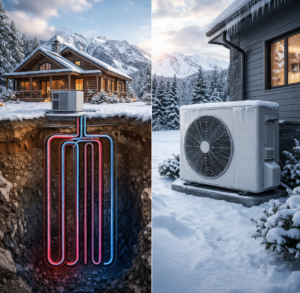
Before diving into the benefits, let’s start with the basics. Geothermal Heating Systems (also called ground-source heating systems) use the stable temperature beneath the earth’s surface to heat and cool homes. Unlike furnaces that burn fuel, geothermal systems move heat from the ground into your home during winter — and reverse the process during summer.
At the heart of the system is a geothermal heat pump for cold climates, which circulates a water-based solution through underground pipes (called a loop system). These pipes absorb and transfer the earth’s natural heat to the pump, which then distributes warm air through your home.
Because the ground stays around 8–10°C even in freezing weather, Geothermal Heating Systems remain incredibly efficient all year long — no matter how harsh the winter gets.
1. Exceptional Cold-Weather Performance
Built for Canadian Winters
Unlike air-source heat pumps that struggle in subzero conditions, Geothermal Heating Systems are designed to perform flawlessly in extreme cold. Since they draw heat from the ground rather than the air, they maintain consistent efficiency even when temperatures outside drop below –30°C.
That’s what makes a geothermal heat pump for cold climates ideal for Canada. It doesn’t rely on fluctuating outdoor air temperatures — instead, it leverages the earth’s steady warmth to deliver dependable heating without frequent defrost cycles or performance dips.
Stable Efficiency When It Matters Most
Traditional systems often lose efficiency as the temperature falls, leading to higher energy bills. In contrast, Geothermal Heating Systems maintain up to 400–500% efficiency even during the coldest months. For every unit of electricity used, the system can generate four to five units of heat — a massive advantage in a country known for long, frigid winters.
2. Remarkable Energy Efficiency and Cost Savings
Lower Utility Bills
One of the biggest advantages of Geothermal Heating Systems is their incredible efficiency. Since they transfer heat instead of producing it, they consume far less energy than gas or oil furnaces. Homeowners can save up to 50–70% on heating costs annually.
In fact, energy-efficient heating in Canada isn’t just about comfort — it’s about financial sustainability. With rising energy prices, investing in geothermal technology provides long-term savings that quickly offset the initial installation cost.
Long-Term Value and ROI
While the upfront cost of a ground-source heating system can be higher than a conventional setup, the return on investment is unmatched. The system’s lifespan averages 25 years for the indoor unit and 50+ years for the underground loop, making it one of the most durable and cost-effective home heating options available.
Over time, you’ll not only recover your investment but also enjoy decades of low operating costs, consistent performance, and minimal maintenance needs.
3. Unmatched Comfort and Consistent Warmth
Say Goodbye to Hot and Cold Spots
In many homes with forced-air furnaces, temperature variations between rooms are common — especially during deep winter. But Geothermal Heating Systems deliver even, consistent warmth throughout your home. The system circulates air gradually and continuously, eliminating cold drafts and maintaining stable indoor temperatures.
Enhanced Winter Home Comfort
With Geothermal Heating Systems, you’ll enjoy the quiet operation, steady airflow, and humidity control that create a comfortable indoor climate all season long.
Unlike traditional heating systems that cycle on and off, geothermal units operate more smoothly and quietly, enhancing your overall winter home comfort. The result? A cozy, peaceful environment where you can enjoy warmth without the noise or dryness often associated with furnaces.
4. Environmentally Friendly and Sustainable
A Truly Green Solution
For homeowners committed to sustainability, Geothermal Heating Systems are among the most eco-friendly heating solutions available. They rely on renewable thermal energy from the ground, drastically reducing greenhouse gas emissions compared to fossil-fuel systems.
According to Natural Resources Canada, switching to geothermal can cut your home’s carbon emissions by up to 70%, depending on your region and existing energy source. That’s a big win for both the planet and your household footprint.
Supporting Canada’s Clean Energy Goals
Canada has made strong commitments toward achieving net-zero emissions by 2050. Adopting Geothermal Heating Systems aligns perfectly with these national sustainability goals. Every installation contributes to a cleaner, greener energy grid and helps reduce the reliance on non-renewable resources.
By choosing a ground-source heating system, you’re not only reducing your bills but also investing in a healthier future for your community and the environment.
5. Low Maintenance and Long Lifespan
Fewer Repairs, Less Stress
Another major reason Geothermal Heating Systems are perfect for Canadian winters is their minimal maintenance requirements. Unlike traditional furnaces, which need regular filter replacements, burner cleanings, and exhaust inspections, geothermal systems operate with fewer moving parts — which means fewer things can break.
Routine professional checkups once or twice a year are usually sufficient to keep the system running smoothly. Most homeowners simply need to ensure their air filters and thermostat are functioning properly.
Built to Last
Durability is one of the greatest strengths of a geothermal heat pump for cold climates. The underground loop system is made from high-density polyethylene — a material resistant to corrosion, moisture, and temperature fluctuations. With proper installation and care, these loops can last for half a century or more.
The indoor heat pump unit also outlasts most conventional systems, often providing reliable service for over two decades. Combined with the system’s efficiency, this longevity translates into decades of reliable performance with minimal upkeep.
How Geothermal Heating Systems Work in Winter
The Science Behind the Warmth
During winter, Geothermal Heating Systems use the earth’s natural heat reservoir to warm your home. Here’s how it works:
- A fluid (usually water mixed with antifreeze) circulates through the underground loop.
- The loop absorbs heat from the ground and carries it to the indoor unit.
- The geothermal heat pump concentrates this heat and transfers it into your home’s air or water-based distribution system.
Because the ground remains at a constant temperature, the system doesn’t need to work harder as outside temperatures drop — ensuring continuous energy-efficient heating in Canada’s coldest months.
Comparing Geothermal to Traditional Heating
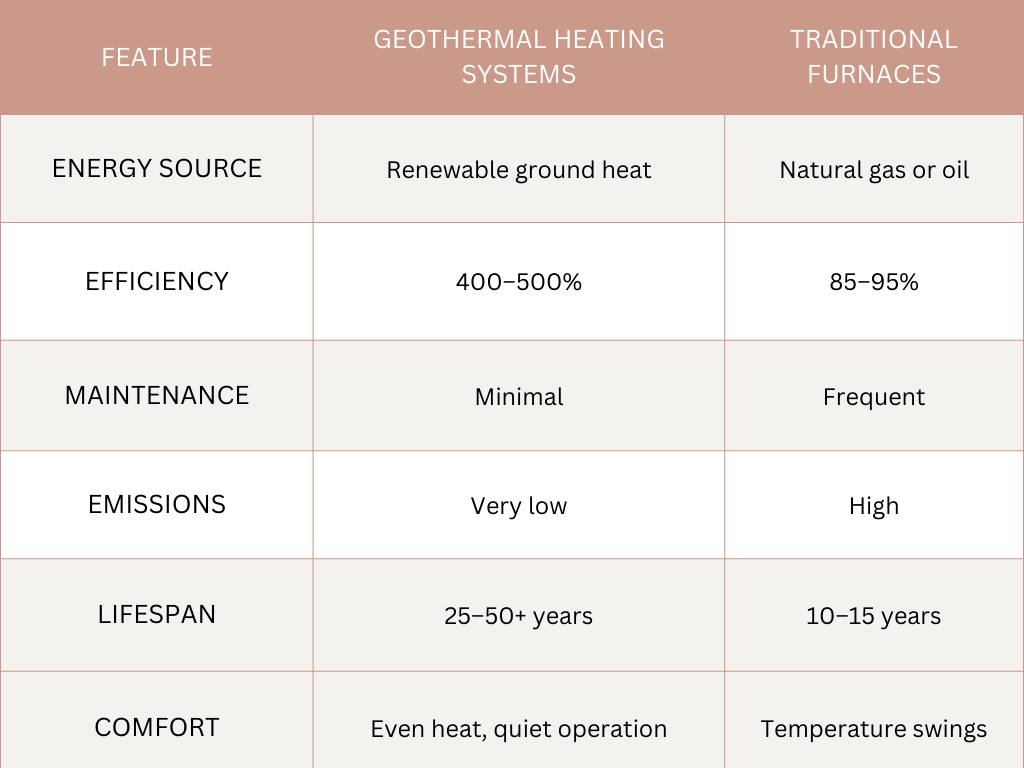
Clearly, Geothermal Heating Systems outperform conventional setups in nearly every category — making them a smart, sustainable choice for long-term homeowners.
The Financial Incentives for Geothermal in Canada
Government Rebates and Grants
One of the best things about adopting Geothermal Heating Systems in Canada today is the availability of incentives. The Canada Greener Homes Initiative and various provincial programs offer rebates and low-interest loans to offset installation costs.
Homeowners in Alberta, for example, can often qualify for local incentives that promote energy-efficient heating in Canada. These programs make it even easier to invest in a sustainable, cost-saving home upgrade.
Increasing Home Value
Installing a ground-source heating system adds considerable value to your property. As eco-friendly homes continue to rise in demand, having a geothermal system can increase resale value and appeal to energy-conscious buyers.
Common Misconceptions About Geothermal Systems
“They Don’t Work in Cold Climates.”
This is perhaps the biggest myth about Geothermal Heating Systems. In reality, they are specifically engineered for cold regions. Because they use the ground’s consistent temperature, they outperform air-source heat pumps in subzero conditions.
“They’re Too Expensive.”
While the upfront cost can be higher, the long-term savings are significant. Lower energy bills, fewer maintenance expenses, and government incentives make geothermal one of the smartest financial decisions you can make for your home.
“Installation Is Too Complicated.”
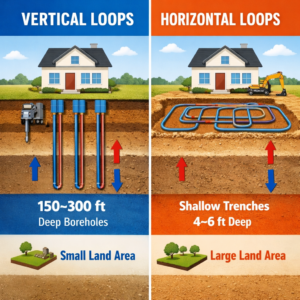
Modern installation techniques make setting up Geothermal Heating Systems easier than ever. Vertical drilling, horizontal trenching, or even pond loops can be customized to suit your property’s layout and soil conditions.
Why Geothermal Heating Systems Are the Future of Canadian Homes
With climate change, energy inflation, and sustainability goals shaping the future of home heating, Geothermal Heating Systems are quickly becoming the go-to choice across Canada. They provide unmatched performance, minimal maintenance, and incredible comfort — all while supporting a cleaner, greener planet.
From suburban homes to rural properties, Canadians are recognizing that eco-friendly heating solutions are no longer a luxury — they’re a necessity for long-term energy resilience and environmental responsibility.
FAQs About Geothermal Heating Systems
1. How long does a geothermal heat pump last?
A typical geothermal heat pump for cold climates lasts between 20 and 25 years, while the underground loop system can last over 50 years with proper care. Regular maintenance ensures peak performance and longevity.
2. How deep do you have to dig for a geothermal system?
The depth depends on the type of installation. Horizontal loops are usually buried about 1.5–2 meters deep, while vertical loops can reach depths of 150 meters or more. Your Envirotech Geothermal technician will recommend the best option for your property.
3. Can geothermal systems cool my home in summer too?
Absolutely. Geothermal Heating Systems are dual-purpose. In summer, they reverse the process — pulling heat from your home and transferring it back into the ground, providing efficient cooling.
Ready to Experience the Power of Geothermal Heating Systems?
If you’re tired of high heating bills and unpredictable comfort during the winter, it’s time to consider Geothermal Heating Systems. They offer year-round efficiency, long-term savings, and the peace of mind that comes from investing in clean energy.
At Envirotech Geothermal, we specialize in designing and installing ground-source heating systems tailored to Alberta and Canada’s unique climate conditions.
👉 Contact Envirotech Geothermal today to request a free quote or consultation — and take the first step toward sustainable, energy-efficient, and eco-friendly heating solutions for your home.