
When winter temperatures drop well below freezing, choosing the right heating system becomes essential. Homeowners in colder regions often look for efficient, reliable, and environmentally friendly heating solutions. One of the most common questions today is Geothermal vs Air-Source Heat Pumps: which system works better in cold climates?
Both systems offer energy-efficient alternatives to traditional furnaces and boilers. However, their performance can vary depending on climate, installation conditions, and long-term energy needs. In this guide, we’ll explore Geothermal vs Air-Source Heat Pumps in detail so you can determine which option may be best for your home.
Understanding Heat Pump Technology
Before diving into Geothermal vs Air-Source Heat Pumps, it’s important to understand how heat pumps work.
Unlike traditional heating systems that generate heat by burning fuel, heat pumps transfer heat from one place to another. During winter, they move heat from an external source into your home.
There are two main types:
- Geothermal heat pumps (also called ground-source systems)
- Air-source heat pumps
Both systems use electricity to move heat rather than produce it, making them far more energy-efficient than conventional heating systems.
What Is a Geothermal Heat Pump?
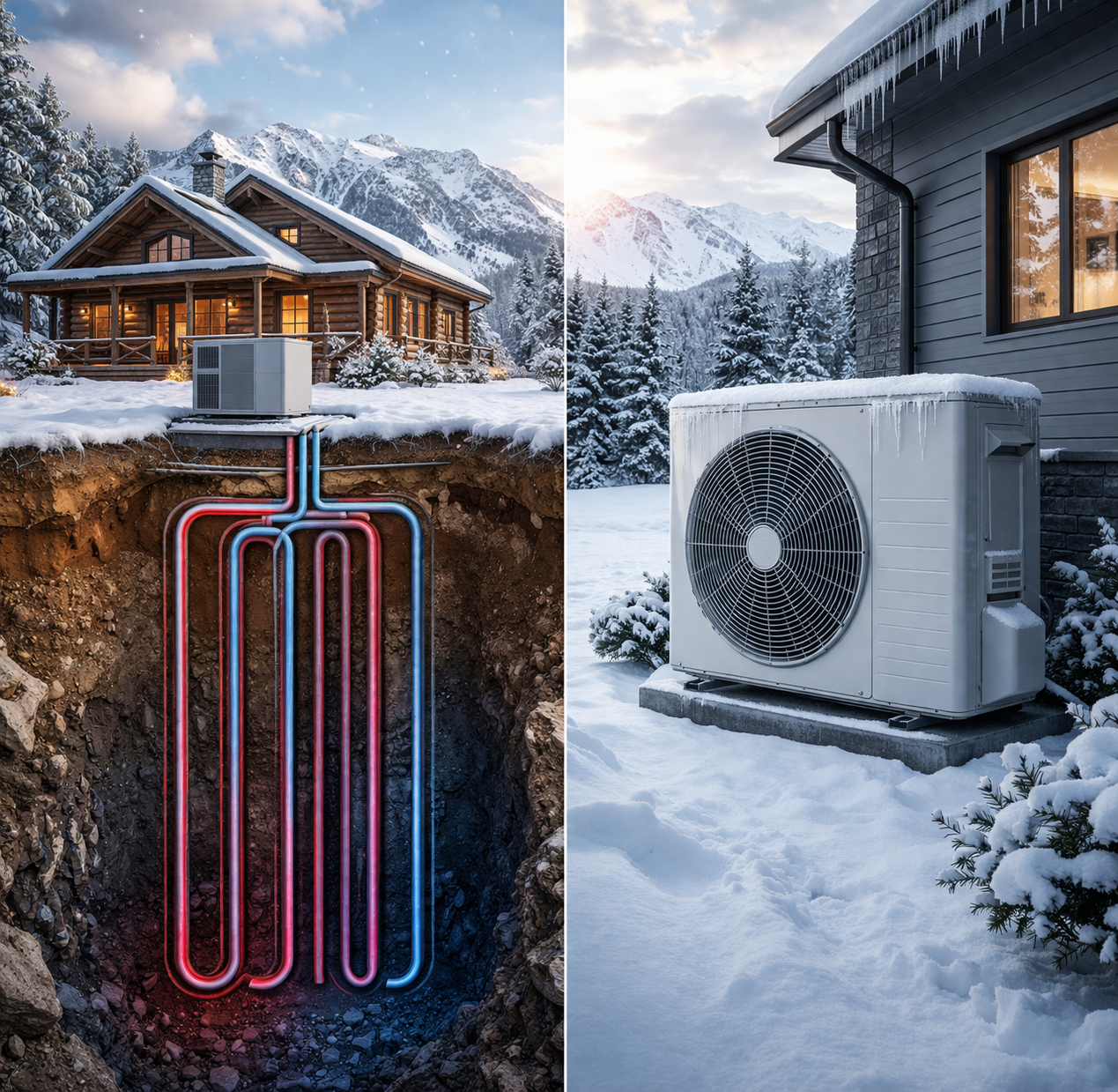
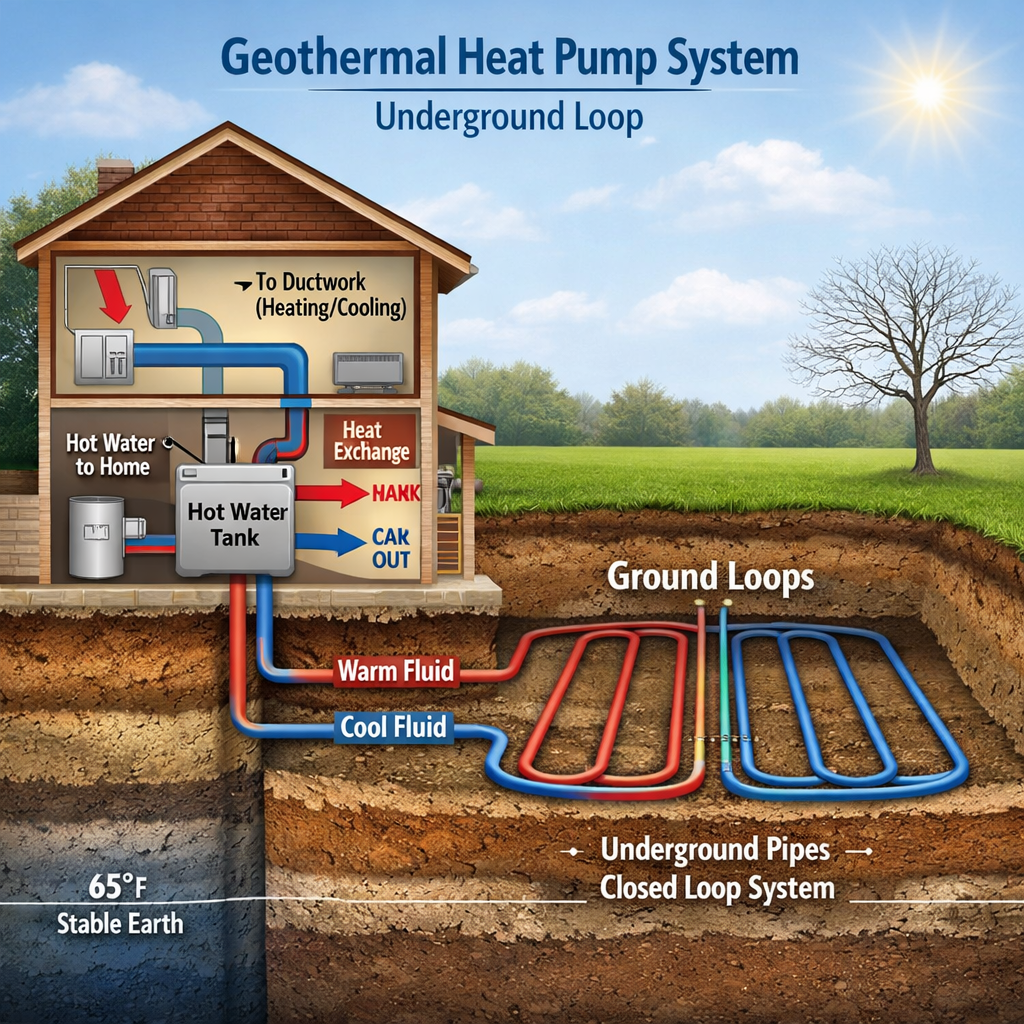
A geothermal heat pump extracts heat from the ground using underground pipes filled with fluid. Because the earth maintains a relatively stable temperature year-round, geothermal systems provide consistent heating even during extremely cold winters.
When evaluating Geothermal vs Air-Source Heat Pumps, geothermal systems stand out for their reliability in cold environments.
How Geothermal Systems Work
- Underground loops circulate fluid through buried pipes.
- The fluid absorbs heat from the ground.
- The heat pump transfers this heat into your home.
- The process reverses in summer for cooling.
Because underground temperatures remain stable, geothermal heating for cold climates can deliver steady performance regardless of outdoor air temperature.
What Is an Air-Source Heat Pump?
An air-source heat pump extracts heat from outdoor air and transfers it indoors. These systems are more common because they are easier and less expensive to install.
When discussing Geothermal vs Air-Source Heat Pumps, air-source models are often chosen for their affordability and faster installation.
How Air-Source Systems Work
- Outdoor units capture heat from the air.
- Refrigerant absorbs this heat.
- The heat is compressed and delivered inside the home.
Modern technology has significantly improved air source heat pump efficiency in winter, allowing them to operate even when temperatures fall below freezing.
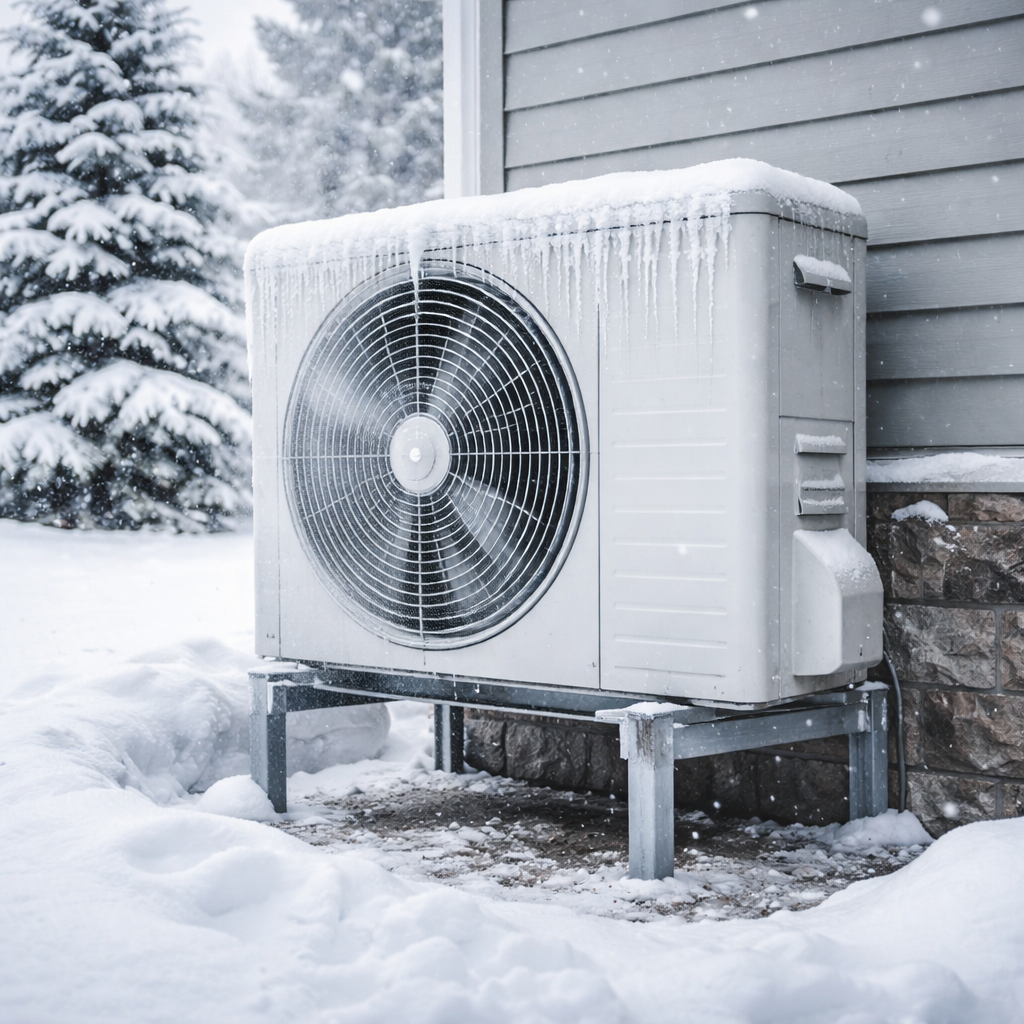
However, performance can still decrease during extreme cold spells.
Geothermal vs Air-Source Heat Pumps: Key Differences
Now let’s break down the major differences in the Geothermal vs Air-Source Heat Pumps debate.
1. Performance in Cold Weather
Cold climates are where geothermal systems truly shine.
The ground temperature remains relatively stable throughout the year, meaning geothermal systems maintain high efficiency even during harsh winters. This makes geothermal heating for cold climates one of the most reliable heating solutions available.
Air-source heat pumps, on the other hand, rely on outdoor air temperatures. While modern models have improved air source heat pump efficiency in winter, their performance can drop when temperatures plunge.
In a cold climate heat pump comparison, geothermal systems generally maintain higher efficiency levels.
2. Energy Efficiency
When comparing Geothermal vs Air-Source Heat Pumps, energy efficiency is one of the biggest factors homeowners consider.
Geothermal systems are typically 300–500% efficient, meaning they produce 3 to 5 units of heat for every unit of electricity used.
Air-source heat pumps usually operate at 200–300% efficiency, depending on the outdoor temperature.
The stable underground temperature allows geothermal systems to maintain their efficiency even during extreme cold, giving them an advantage in the geothermal heat pump vs air source heat pump comparison.
3. Installation Cost
Cost is often the biggest difference in the Geothermal vs Air-Source Heat Pumps decision.
Geothermal systems:
- Higher upfront cost
- Requires drilling or trenching
- Installation ranges between $15,000 and $40,000 depending on the property
Air-source systems:
- Lower upfront cost
- Easier installation
- Typically $5,000–$15,000
While geothermal systems cost more initially, many homeowners recover the investment through long-term energy savings.
4. Operating Costs
Although geothermal systems have higher installation costs, they usually offer lower monthly operating costs.
Because they rely on stable ground temperatures, geothermal systems require less electricity to maintain indoor comfort.
This is one of the major ground source heat pump benefits homeowners appreciate.
In the long-term Geothermal vs Air-Source Heat Pumps comparison, geothermal systems often deliver greater energy savings.
5. Lifespan and Durability
Durability is another major factor in the Geothermal vs Air-Source Heat Pumps discussion.
Geothermal systems:
- Indoor equipment lasts about 20–25 years
- Underground loops can last 50+ years
Air-source systems:
- Average lifespan of 12–15 years
Because geothermal systems have fewer outdoor components exposed to weather, they tend to last much longer.
6. Environmental Impact
Both systems are environmentally friendly compared to fossil fuel heating.
However, in the Geothermal vs Air-Source Heat Pumps comparison, geothermal systems usually have a slightly lower carbon footprint.
This is because they use less electricity overall and rely on renewable geothermal energy stored in the earth.
Ground Source Heat Pump Benefits for Cold Regions
There are several reasons why homeowners in colder climates consider geothermal systems.
Here are some of the key ground source heat pump benefits:
Consistent Heating
Unlike air-source systems that depend on fluctuating outdoor temperatures, geothermal systems rely on stable underground heat.
This makes geothermal heating for cold climates extremely reliable.
Lower Energy Bills
Because geothermal systems operate more efficiently, homeowners often experience significant energy savings over time.
Quiet Operation
Geothermal systems run quietly since most components are indoors and underground.
Heating and Cooling in One System
Just like air-source systems, geothermal heat pumps provide both heating in winter and cooling in summer.
Air Source Heat Pump Efficiency in Winter
Modern technology has improved air source heat pump efficiency in winter significantly.
Cold-climate air-source heat pumps can operate in temperatures as low as -15°F (-26°C). However, their efficiency still drops as temperatures fall.
During extremely cold weather, many systems rely on backup heating systems such as electric resistance heaters or gas furnaces.
This is why the Geothermal vs Air-Source Heat Pumps debate often favors geothermal systems in regions with long, harsh winters.
Cold Climate Heat Pump Comparison: Which Is Better?
In a realistic cold climate heat pump comparison, both systems have advantages.
Choose Geothermal If You Want:
- Maximum efficiency in freezing temperatures
- Long-term energy savings
- Lower environmental impact
- A long-lasting system
Choose Air-Source If You Want:
- Lower upfront installation cost
- Faster installation
- Minimal property disruption
In many cases, homeowners in extremely cold areas find geothermal systems to be the better long-term investment.
Geothermal Heat Pump vs Air Source Heat Pump: Cost vs Value
When evaluating geothermal heat pump vs air source heat pump, it’s helpful to think beyond upfront cost.
Air-source systems may be cheaper initially, but geothermal systems can save thousands in energy costs over time.
Many homeowners also take advantage of government incentives, tax credits, and rebates for geothermal installations, which significantly reduce the upfront cost.
Over a 20-year period, geothermal systems often prove more economical.
Factors to Consider Before Choosing a System
When deciding between Geothermal vs Air-Source Heat Pumps, consider the following factors:
Climate Conditions
If you live in an area with long, freezing winters, geothermal heating for cold climates offers superior reliability.
Property Size
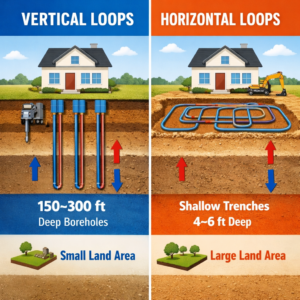
Geothermal systems require enough land for underground loops.
Budget
Air-source systems have a lower upfront cost but may result in higher long-term operating expenses.
Energy Goals
If sustainability and energy efficiency are priorities, geothermal systems provide excellent environmental benefits.
Why More Homeowners Are Choosing Geothermal
As energy costs rise and environmental awareness grows, more homeowners are turning to geothermal technology.
The reliability and efficiency highlighted in the Geothermal vs Air-Source Heat Pumps comparison make geothermal systems especially attractive for cold climates.
Combined with long lifespans and lower operating costs, geothermal systems offer an appealing long-term solution.
Frequently Asked Questions
1. Are geothermal heat pumps better than air-source heat pumps in cold climates?
Yes, geothermal systems often perform better in extremely cold regions. Because they rely on stable underground temperatures, geothermal heating for cold climates remains efficient even when outdoor air temperatures drop significantly.
2. Do air-source heat pumps work during freezing temperatures?
Yes, modern systems have improved air source heat pump efficiency in winter and can operate in very cold temperatures. However, their efficiency decreases during extreme cold, and backup heating may be needed.
3. Is geothermal worth the higher installation cost?
For many homeowners, yes. When comparing geothermal heat pump vs air source heat pump, geothermal systems often provide lower energy bills, longer lifespan, and higher efficiency, making them a strong long-term investment.
Ready to Upgrade Your Home Heating System?
Choosing between Geothermal vs Air-Source Heat Pumps can be challenging, especially in cold climates where performance and efficiency matter most. The right system depends on your home, property, and long-term energy goals.
If you’re considering geothermal heating or want expert advice on the best solution for your property, the team at Envirotech Geothermal is here to help.
Contact Envirotech Geothermal today to schedule a consultation and discover how geothermal technology can provide reliable, energy-efficient comfort for your home all year round.