
As energy costs rise and sustainability standards tighten, developers and property owners are rethinking how multi-family buildings are heated and cooled. Traditional HVAC systems often struggle to balance efficiency, operating costs, and long-term reliability—especially in larger residential developments. This is where Geothermal Systems for Multi-Family projects are gaining serious momentum.
From apartment complexes and townhome communities to mixed-use residential developments, geothermal offers a scalable, energy-efficient solution designed for long-term performance. When properly designed, Geothermal Systems for Multi-Family buildings deliver lower operating costs, improved tenant comfort, and meaningful reductions in carbon emissions.
This guide explores how geothermal works in multi-family settings, key design considerations, realistic installation costs, and what developers need to know before making the investment.
Why Multi-Family Projects Are Ideal for Geothermal
Multi-family buildings are uniquely suited to geothermal technology. Their size, energy demand, and long-term ownership models align perfectly with geothermal’s strengths.
Geothermal Systems for Multi-Family projects work especially well because:
- Heating and cooling loads are spread across multiple units
- Energy demand is consistent and predictable
- Centralized systems reduce per-unit equipment costs
- Long-term ownership benefits from lifecycle savings
Unlike single-family homes, multi-family developments can fully leverage geothermal’s scalability and efficiency.
How Geothermal Systems for Multi-Family Buildings Work
At a high level, geothermal systems operate the same way in multi-family buildings as they do in homes—but on a larger scale.
A typical system includes:
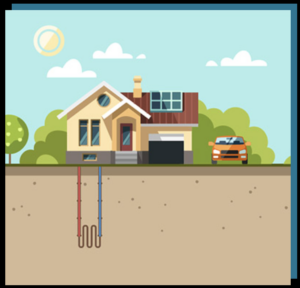
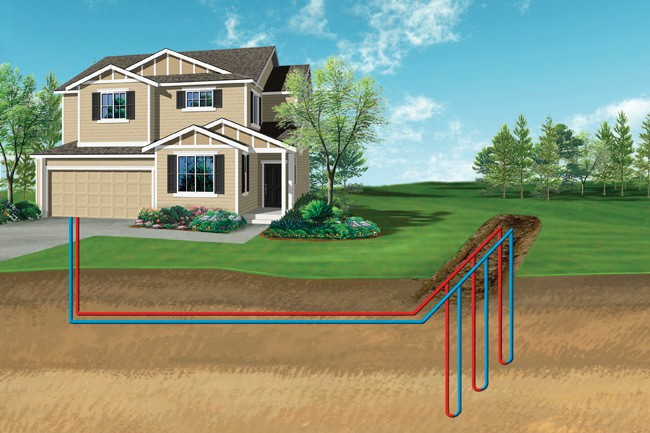
- Underground ground loops (vertical or horizontal)
- Central or distributed heat pump systems
- Unit-level or centralized distribution
- Shared infrastructure across the property
These commercial geothermal energy systems use stable underground temperatures to provide heating in winter and cooling in summer with exceptional efficiency.
Multi-Family Geothermal System Design: Key Considerations
Design is the most critical factor in geothermal success. Poor design leads to underperformance, while thoughtful design unlocks maximum savings.
Load Diversity and Building Usage
One major advantage of multi-family geothermal system design is load diversity. While some units require heating, others may need cooling—especially in shoulder seasons.
This diversity:
- Improves overall system efficiency
- Reduces peak load requirements
- Lowers total system size and cost
Designers must analyze occupancy patterns carefully to optimize system performance.
Centralized vs Distributed System Designs
Geothermal Systems for Multi-Family projects can be designed in two primary ways.
Centralized Systems
- One or more central heat pump plants
- Shared ground loop field
- Lower equipment redundancy
Distributed Systems
- Individual heat pumps per unit
- Shared ground loop infrastructure
- Greater tenant control
Each approach has cost, maintenance, and operational implications. The best choice depends on project size, ownership model, and operational goals.
Ground Loop Options for Multi-Unit Housing
Ground loop design plays a major role in system cost and performance.
Vertical Loops
- Ideal for urban or space-limited sites
- Higher drilling cost
- Smaller land footprint
Horizontal Loops
- Lower installation cost
- Require more land area
- Common in suburban developments
Experienced designers ensure Geothermal Systems for Multi-Family projects match loop design to site conditions and long-term needs.
Geothermal Heating for Apartment Buildings: Comfort and Consistency
One of the biggest benefits of geothermal is consistent indoor comfort.
Geothermal heating for apartment buildings offers:
- Even temperature distribution
- Quiet operation
- Fewer hot and cold spots
- Improved tenant satisfaction
Because geothermal systems don’t rely on outdoor air temperatures, they perform reliably even during extreme weather.
Geothermal HVAC for Multi-Unit Housing
Geothermal integrates seamlessly with modern HVAC strategies.
Geothermal HVAC for multi-unit housing supports:
- Radiant floor heating
- Fan coil units
- Ducted air systems
- Hybrid heating and cooling setups
This flexibility allows designers to tailor comfort solutions for different building types and layouts.
Geothermal System Installation Costs: What to Expect
Upfront cost is often the first concern developers raise—and understandably so.
Typical Geothermal System Installation Costs
For Geothermal Systems for Multi-Family projects, costs vary widely based on:
- Building size and number of units
- Ground conditions
- Loop type and depth
- System configuration
While geothermal system installation costs are higher upfront than conventional HVAC, the long-term economics often favour geothermal.
Operating Cost Savings Over Time
Operating savings are where geothermal truly shines.
Compared to traditional systems, Geothermal Systems for Multi-Family buildings typically deliver:
- 40%–70% lower heating and cooling costs
- Reduced maintenance expenses
- Protection from fuel price volatility
Over decades of operation, these savings significantly offset higher upfront costs.
Maintenance Benefits in Multi-Family Applications
Maintenance simplicity is a major advantage for property managers.
Geothermal systems:
- Have fewer moving parts
- Eliminate combustion-related maintenance
- Reduce emergency service calls
For commercial geothermal energy systems, this translates into predictable operating expenses and fewer tenant disruptions.
Long-Term Financial Performance and ROI
Geothermal systems are long-term infrastructure investments.
When evaluated over 20–30 years, Geothermal Systems for Multi-Family developments often:
- Deliver lower total cost of ownership
- Improve net operating income (NOI)
- Increase asset value
For developers holding assets long-term, geothermal can materially improve project economics.
Incentives and Financing Opportunities
Many multi-family geothermal projects qualify for:
- Federal clean energy incentives
- Provincial or state rebates
- Utility-based efficiency programs
- Green financing options
These programs can substantially reduce net project cost and improve payback timelines.
Sustainability and Regulatory Advantages
Sustainability is no longer optional in many markets.
Geothermal Systems for Multi-Family projects:
- Reduce carbon emissions
- Support net-zero building targets
- Improve ESG performance
- Enhance permitting and approval prospects
Geothermal positions developments for future regulations rather than reacting to them.
Tenant Appeal and Market Differentiation
Energy-efficient buildings are increasingly attractive to tenants.
Benefits include:
- Lower utility bills
- Improved comfort
- Quiet operation
- Environmentally responsible living
These advantages make geothermal-equipped buildings easier to lease and retain tenants.
Common Challenges and How to Avoid Them
Like any complex system, geothermal requires careful planning.
Common pitfalls include:
- Inadequate site analysis
- Undersized loop fields
- Poor load calculations
- Inexperienced installers
Partnering with specialists ensures Geothermal Systems for Multi-Family projects deliver on their promise.
When Geothermal Makes the Most Sense
Geothermal is especially effective for:
- New construction
- Long-term ownership models
- Medium to large multi-family developments
- Projects prioritizing sustainability
While retrofit projects are possible, geothermal is most cost-effective when integrated early in design.
Why Experience Matters in Multi-Family Geothermal
Multi-family geothermal systems are more complex than residential installations.
Experienced providers:
- Understand load diversity
- Design scalable systems
- Coordinate with architects and engineers
- Optimize long-term performance
This expertise is essential for successful Geothermal Systems for Multi-Family projects.
Working with Envirotech Geothermal
Envirotech Geothermal specializes in designing and delivering high-performance geothermal solutions for multi-family and commercial projects.
From feasibility studies to system commissioning, our team supports developers at every stage, ensuring systems are efficient, reliable, and built for long-term success.
Frequently Asked Questions
Are geothermal systems suitable for large apartment buildings?
Yes. Geothermal Systems for Multi-Family buildings scale exceptionally well and are widely used in apartment complexes, condominiums, and mixed-use developments.
How do geothermal installation costs compare to traditional HVAC?
While geothermal system installation costs are higher upfront, long-term energy and maintenance savings often result in lower total ownership costs.
Can geothermal systems provide both heating and cooling?
Absolutely. Geothermal HVAC for multi-unit housing delivers efficient heating in winter and cooling in summer using the same infrastructure.
Ready to Explore Geothermal for Your Multi-Family Project?
If you’re planning a multi-family development and want to understand whether geothermal is the right fit, expert guidance makes all the difference.
Contact Envirotech Geothermal today to discuss design options, cost considerations, and long-term performance for your project.