
As the world moves toward cleaner energy and smarter construction practices, Net-Zero Buildings are becoming a major focus in sustainable architecture. These buildings are designed to produce as much energy as they consume over the course of a year, significantly reducing both operational costs and environmental impact.
One of the most effective technologies helping buildings achieve this goal is Geothermal HVAC Systems for Net-Zero Buildings. These systems use the earth’s natural temperature to provide efficient heating and cooling while dramatically lowering energy consumption.
In this article, we’ll explore how Geothermal HVAC Systems for Net-Zero Buildings work, why they’re essential for sustainable construction, and how they can reduce both energy costs and carbon emissions.
What Are Net-Zero Buildings?
Before diving deeper into Geothermal HVAC Systems for Net-Zero Buildings, it’s important to understand what Net-Zero Buildings actually are.
A net-zero building is designed to produce the same amount of energy it consumes annually. This balance is typically achieved through a combination of:
- Energy-efficient construction
- Renewable energy systems
- Smart energy management technologies
Because heating and cooling systems account for a large portion of a building’s energy consumption, choosing the right HVAC system plays a crucial role. This is where Geothermal HVAC Systems for Net-Zero Buildings become incredibly valuable.
What Are Geothermal HVAC Systems?
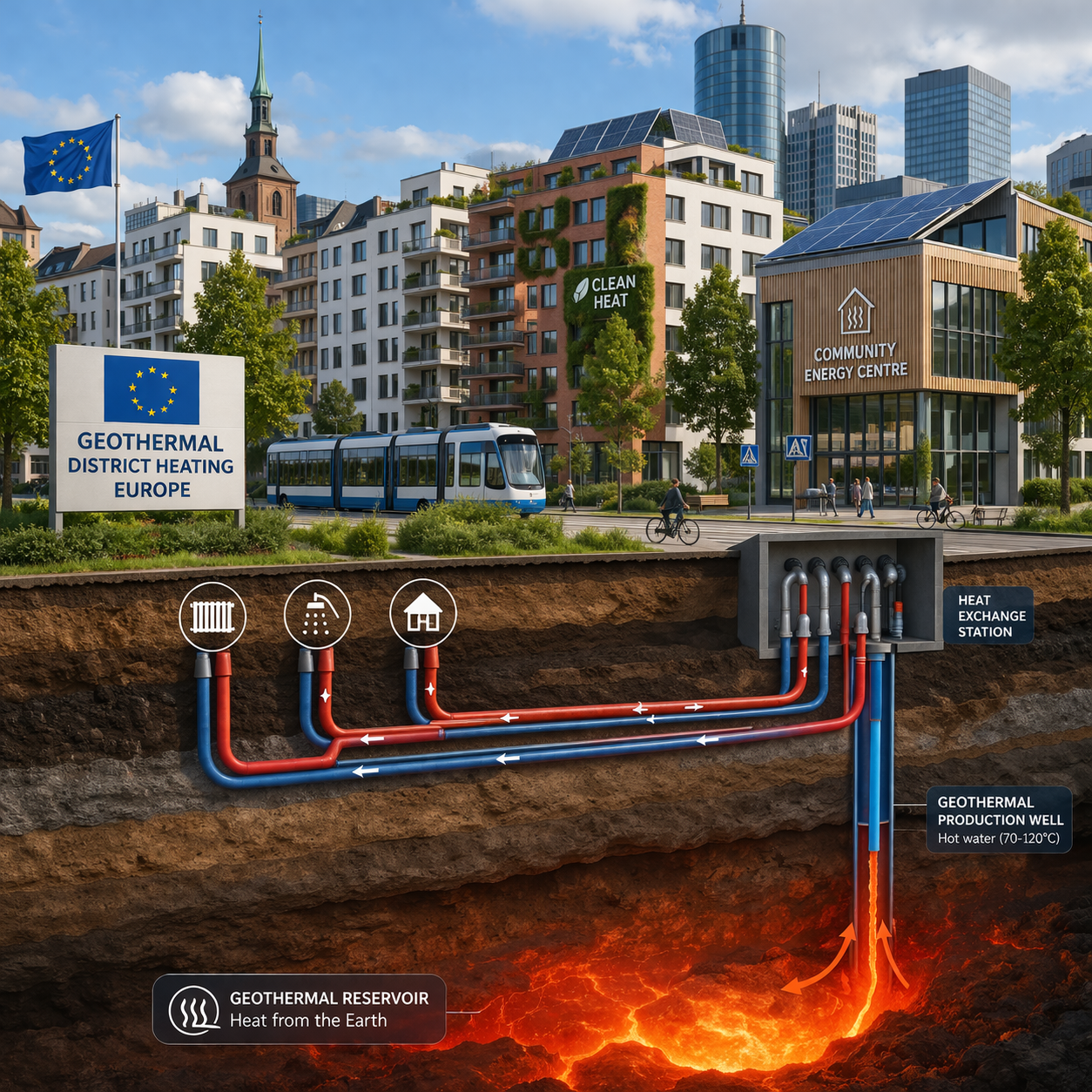
Geothermal Heating and Cooling systems use the stable temperature beneath the earth’s surface to regulate indoor temperatures.
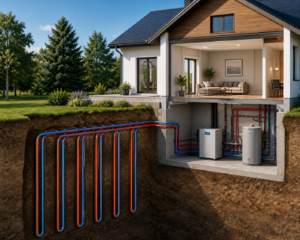
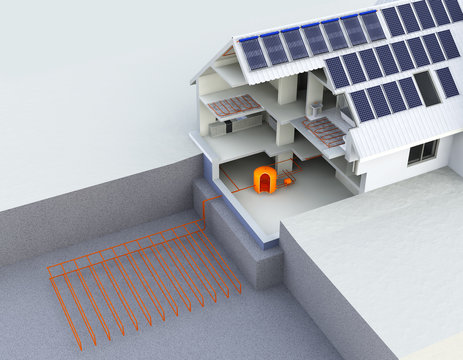
Instead of generating heat by burning fuel, these systems transfer heat between the building and the ground using Ground Source Heat Pumps.
When evaluating Geothermal HVAC Systems for Net-Zero Buildings, this ability to move heat efficiently is what makes them such powerful Energy Efficient HVAC Systems.
How Geothermal Heating and Cooling Works
To understand the value of Geothermal HVAC Systems for Net-Zero Buildings, let’s look at the basic process.
Step 1: Underground Loop System
Pipes are installed underground, typically several feet below the surface where temperatures remain stable year-round.
These loops circulate water or antifreeze fluid.
Step 2: Heat Transfer
During winter, the system extracts heat from the ground and transfers it into the building.
During summer, the process reverses and heat is removed from the building and released into the ground.
Step 3: Ground Source Heat Pumps
The system relies on Ground Source Heat Pumps to move heat efficiently using minimal electricity.
This simple yet powerful process allows Geothermal HVAC Systems for Net-Zero Buildings to deliver exceptional efficiency.
Why HVAC Systems Matter for Net-Zero Buildings
Heating and cooling typically represent 40–60% of a building’s total energy use.
If HVAC systems are inefficient, achieving a net-zero energy balance becomes extremely difficult.
This is why Geothermal HVAC Systems for Net-Zero Buildings are often considered a cornerstone of modern Sustainable Building Solutions.
They dramatically reduce the energy required to maintain comfortable indoor temperatures.
Energy Savings with Geothermal HVAC Systems for Net-Zero Buildings
One of the biggest advantages of Geothermal HVAC Systems for Net-Zero Buildings is their energy efficiency.
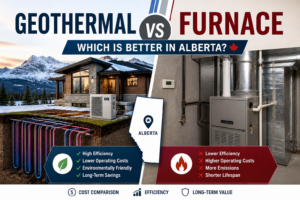
Traditional HVAC systems burn fuel or rely heavily on electricity to generate heating or cooling.
In contrast, Geothermal Heating and Cooling systems transfer heat rather than create it.
Higher Efficiency Ratings
Most Ground Source Heat Pumps operate at efficiencies between 300% and 500%.
This means they produce three to five units of heating or cooling for every unit of electricity consumed.
Because of this efficiency, Geothermal HVAC Systems for Net-Zero Buildings dramatically reduce energy demand.
Lower Operating Costs
Reducing energy consumption directly leads to lower utility bills.
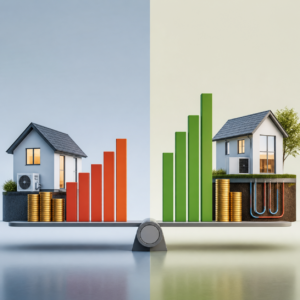
Buildings equipped with Geothermal HVAC Systems for Net-Zero Buildings can often reduce heating and cooling costs by 30–70% compared to traditional HVAC systems.
For commercial buildings or large residential projects, the savings can be substantial over time.
These long-term savings are one reason geothermal technology is becoming a key component of Energy Efficient HVAC Systems.
Reducing Carbon Emissions
Energy savings are important, but reducing environmental impact is equally critical.
Geothermal HVAC Systems for Net-Zero Buildings help lower greenhouse gas emissions in several ways.
Eliminating Fossil Fuels
Traditional heating systems often rely on:
- Natural gas
- Oil
- Propane
Geothermal Heating and Cooling systems eliminate the need for these fuels.
Lower Electricity Consumption
Because Ground Source Heat Pumps are extremely efficient, they use significantly less electricity than conventional HVAC systems.
This makes Geothermal HVAC Systems for Net-Zero Buildings one of the most effective tools for reducing building emissions.
Long-Term Sustainability Benefits
Beyond energy savings, Geothermal HVAC Systems for Net-Zero Buildings contribute to broader sustainability goals.
Longer System Lifespan
Compared to traditional HVAC systems, geothermal systems last much longer.
- Heat pump units often last 20–25 years
- Underground loop systems can last 50+ years
This longevity supports long-term Sustainable Building Solutions.
Reduced Maintenance
Because most components are underground or indoors, Geothermal Heating and Cooling systems require less maintenance.
This reduces operational costs while improving reliability.
Ideal Applications for Net-Zero Buildings
Geothermal HVAC Systems for Net-Zero Buildings can be used in a wide variety of structures.
Residential Homes
Homeowners seeking energy independence often install Ground Source Heat Pumps as part of their net-zero strategy.
Commercial Buildings
Office buildings, hotels, and retail spaces benefit from the energy savings provided by Energy Efficient HVAC Systems.
Schools and Universities
Educational institutions are increasingly adopting Sustainable Building Solutions to reduce long-term operating costs.
Government Facilities
Many government buildings now rely on Geothermal HVAC Systems for Net-Zero Buildings to meet environmental targets.
Integration with Renewable Energy Systems
Another advantage of Geothermal HVAC Systems for Net-Zero Buildings is their compatibility with other renewable technologies.
For example, geothermal systems work extremely well alongside:
- Solar panels
- Wind energy systems
- Energy storage systems
By reducing the amount of electricity needed for heating and cooling, Geothermal Heating and Cooling allows renewable energy systems to meet a larger portion of the building’s energy demand.
This synergy is essential for achieving true Net-Zero Buildings.
Installation Considerations
While Geothermal HVAC Systems for Net-Zero Buildings offer many benefits, proper design and installation are critical.
Site Assessment
Professionals evaluate soil conditions, land availability, and energy requirements before installing Ground Source Heat Pumps.
Loop System Design
Different loop configurations may be used, including:
- Horizontal loops
- Vertical loops
- Pond loops
Selecting the right configuration ensures optimal performance.
Professional Expertise
Working with experienced geothermal specialists is essential to ensure your Energy Efficient HVAC Systems perform at their highest potential.
Financial Incentives and Cost Savings
Although installation costs for Geothermal HVAC Systems for Net-Zero Buildings can be higher than conventional HVAC systems, many incentives help offset the investment.
These may include:
- Federal tax credits
- State energy rebates
- Utility incentives
- Green building grants
Over time, the combination of incentives and energy savings makes geothermal systems one of the most cost-effective Sustainable Building Solutions available.
Why Geothermal Is the Future of Sustainable Buildings
As energy costs continue to rise and environmental regulations become stricter, more developers and homeowners are turning to geothermal technology.
The efficiency, reliability, and environmental benefits of Geothermal HVAC Systems for Net-Zero Buildings make them a key component of modern building design.
By integrating Geothermal Heating and Cooling with renewable energy and smart building technologies, it becomes possible to create truly sustainable structures.
For architects, engineers, and property owners committed to building greener communities, geothermal systems represent a powerful path forward.
Frequently Asked Questions
1. What makes geothermal HVAC systems ideal for net-zero buildings?
Geothermal HVAC Systems for Net-Zero Buildings are extremely energy efficient because they transfer heat rather than generate it. This significantly reduces energy consumption, making it easier for buildings to achieve net-zero energy goals.
2. Are geothermal heating and cooling systems expensive to install?
Initial installation costs can be higher than traditional HVAC systems. However, the long-term savings from reduced energy bills and the durability of Ground Source Heat Pumps often make geothermal systems a smart financial investment.
3. Can geothermal systems work in any climate?
Yes. Geothermal Heating and Cooling systems rely on stable underground temperatures, which remain consistent regardless of weather conditions. This makes them effective in both hot and cold climates.
Start Your Net-Zero Journey with Envirotech Geothermal
If you’re planning a sustainable building project or exploring ways to reduce energy costs and emissions, Geothermal HVAC Systems for Net-Zero Buildings can provide a powerful solution.
The experts at Envirotech Geothermal specialize in designing and installing advanced geothermal systems that support long-term energy efficiency and sustainability.
Contact Envirotech Geothermal today to learn how geothermal technology can help your building achieve net-zero performance while lowering energy costs and reducing environmental impact.